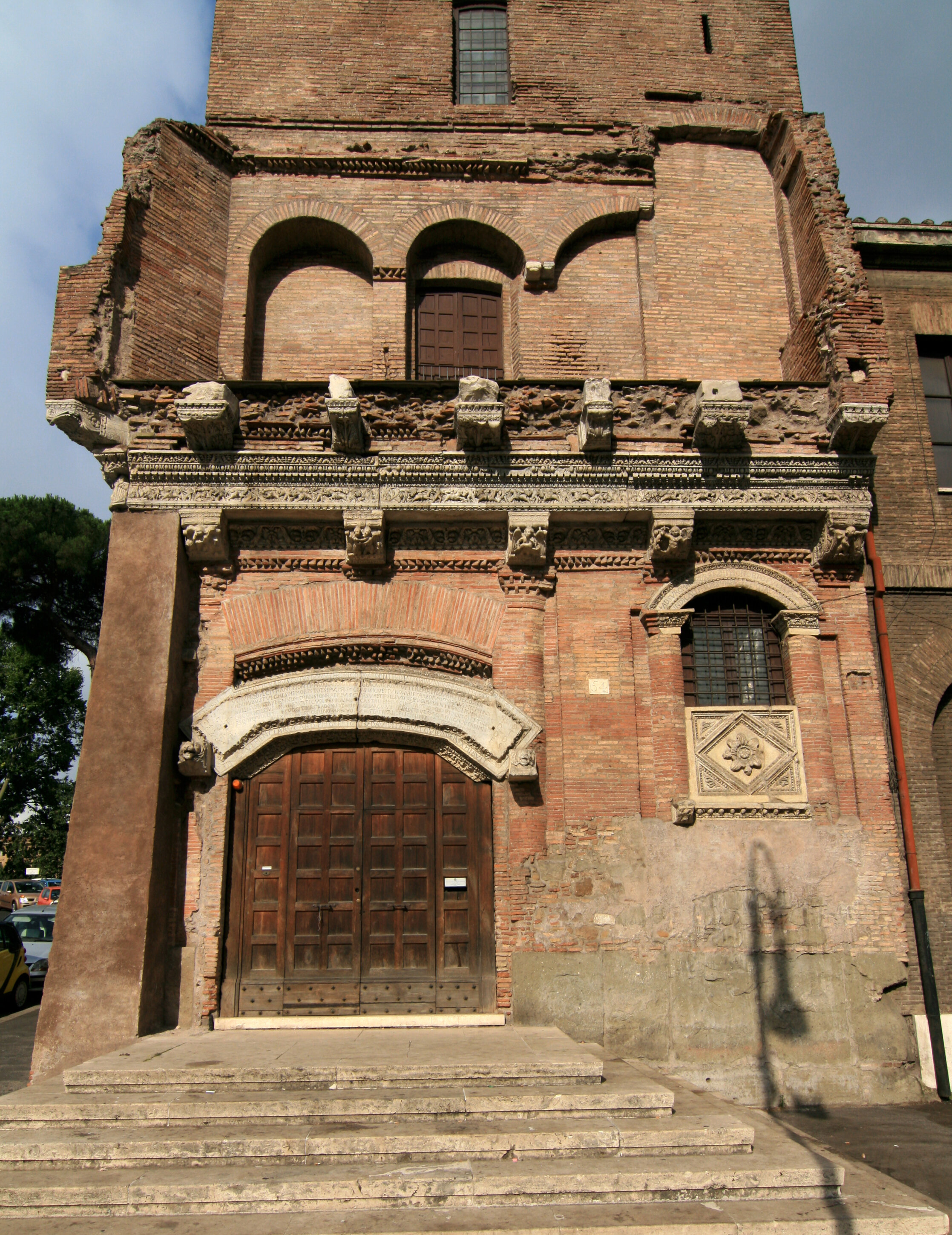
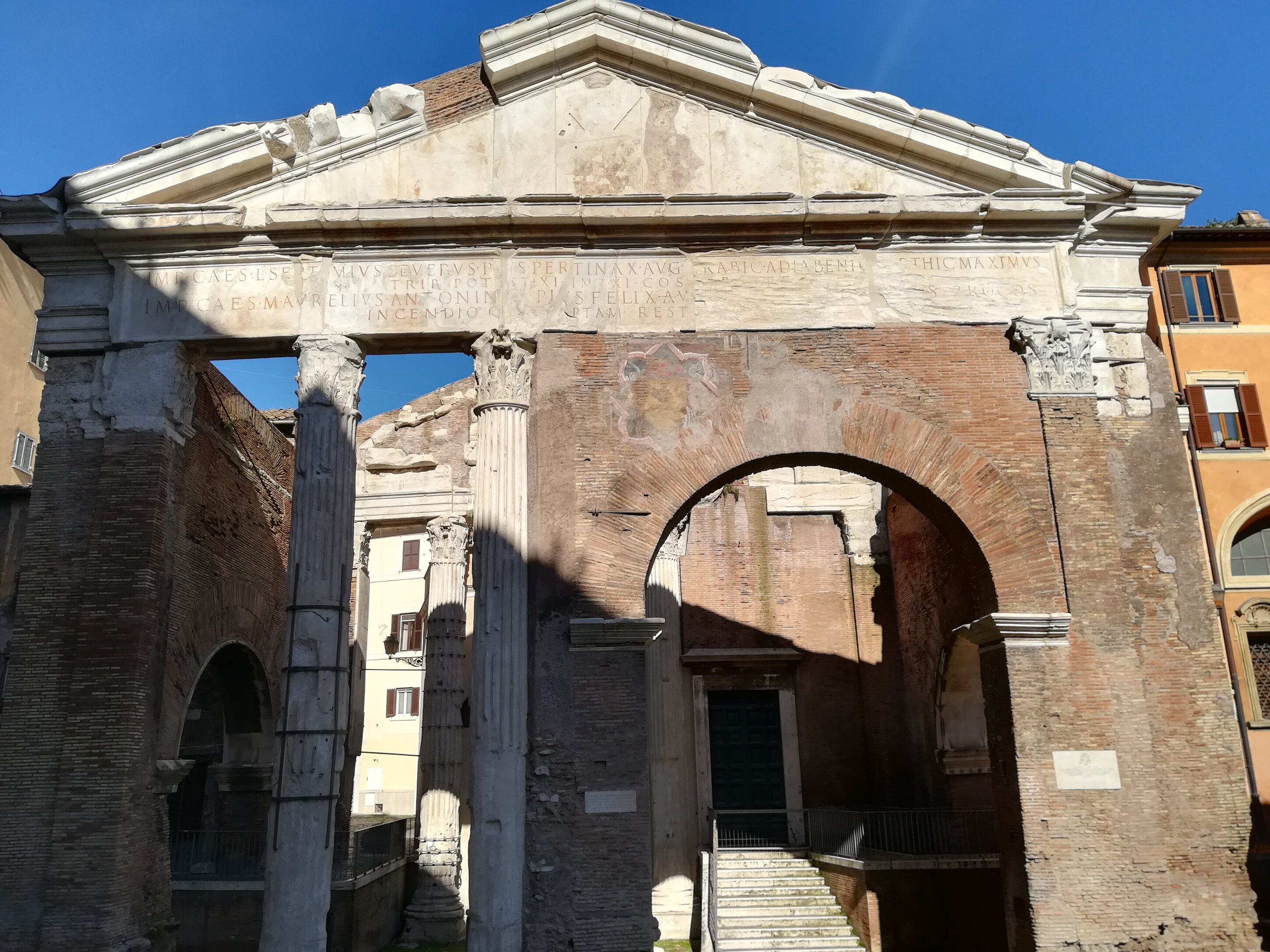
In the Sacred Area of Largo Argentina, close to the remains of four Roman temples dating from the 3rd to the 1st century BC, stands a small medieval turret, called the Torre del Papitto. This is one of the many traces of that Middle Ages which, certainly, was not an easy time for the people of Rome.
Built in the 12th century, this little gem is linked to a man, Pietro Pierleoni, who would later become known as Anacletus II when he was elected...antipope! Yes indeed, because this tower is a direct historical witness to how medieval Rome was often a city split in two, with noble, rival families who did not hesitate to exploit the temporal power and popular support that the figure of the pontiff could command. It was quite common to organize different Conclaves to elect this or that man, thus ending up with an elected pope and an antipope not officially recognized by the Catholic Church. This small tower, therefore, throws us straight into a tangled and dangerous age for the Urbs, when the streets of the Eternal City were paved with the blood of members of the various noble families who often attacked one another. You know the Montagues and Capulets from Shakespeare's "Romeo and Juliet"? Similar setting and situations, but often with far more than just two families...
The toponym "Papitto" comes from the nickname the antipope Anacletus II had: he was, in fact, called "Papetto", probably because of his short stature. As you will have understood by now, however, to have an Antipope you also need a true pope. In this case Anacletus II's fiercest enemy was pontiff Innocent II, who tried in every way to drive him out of the city of Rome. It is 1130, and pope Honorius II was now close to death. In Rome there were mainly two families vying for power at the time: the Frangipane, loyal to Honorius II, and the Pierleoni. To prevent at all costs Cardinal Pietro Pierleoni from becoming pontiff after Honorius II, on the night between 13 and 14 February, upon the Pope's death, a group of cardinals organized a conclave, electing to the Chair of Peter Gregorio Papareschi, who would take the name Innocent II. This election was of course not accepted by the Pierleoni faction who, having organized another conclave with the cardinals favorable to them, elected Pietro himself as Antipope, who took the name Anacletus II. Imagine how heavy the situation became, with the very people of Rome divided between the two men, so much so that Innocent II had to flee Rome to seek support, funding, and new allies.
Thus, in 1132 at Piacenza a new Conclave was convened, with the presence also of rulers or representatives from England, Aragon and Castile, which chose Innocent II as the legitimate Pope. For this reason many moved toward Rome to set things right and drive Anacletus II out of the city, an antipope who was also forced to hole up in Castel Sant’Angelo, barricading himself in the fortress. Anacletus II then fled, in turn seeking allies, both within the clergy and among Kings and Emperors, and then died in 1138. The Torre del Papitto is, today, a small testimony of what once was: owned by the Pierleoni family, it can powerfully tell of a turbulent period for Rome, one of the many that the Eternal City lived through over the course of its long history.